

The Origins, Filtration Physics & Science of Modern Air Purifiers
Modern residential air purification is the culmination of industrial aerosol physics, WWII chemical defense filtration, and high-precision fluid dynamics. From the Manhattan Project’s original particulate interception protocols to modern HEPA-grade microfibers, today’s multi-stage purifiers capture airborne particles down to 0.1 microns to deliver pristine, allergen-free indoor spaces.

1940s Manhattan Project & HEPA Genesis
Conceived during the 1940s to capture microscopic radioactive particulates in classified wartime facilities, the original High-Efficiency Particulate Air (HEPA) design pioneered dense microglass fiber interception matrices.
Clean Air Standards & Consumer Adoption (1970 – 1985)
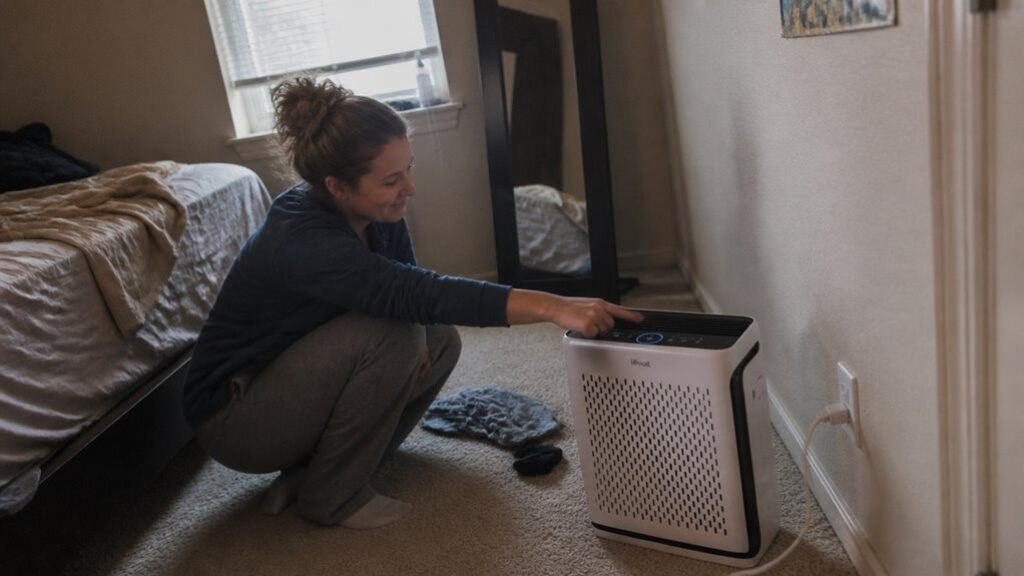
Following the Clean Air Act of 1970, commercial HVAC and consumer purification systems adapted industrial cleanroom standards for residences, introducing standardized CADR metrics and certified laboratory benchmarks.
Aerosol Physics & True HEPA Mechanics
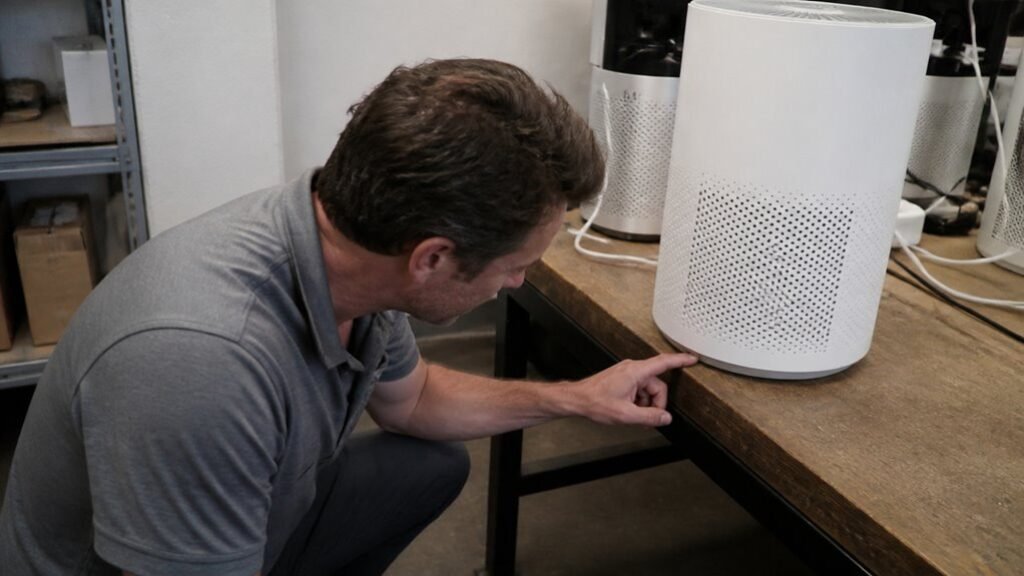
HEPA filtration operates through four distinct physical mechanisms: inertial impaction, interception, diffusion (Brownian motion), and electrostatic attraction, capturing at least 99.97% of particles down to 0.3 microns.

Multi-Stage Adsorption & Real-Time Sensors
Modern purifiers pair medical-grade particulate matrices with microporous activated carbon beds to adsorb VOCs and cooking odors, guided by laser optical PM2.5 sensors for automated airflow modulation.
Know how we can help